
Snapchat Advertising Guide
Snapchat is a mobile-first, full-screen advertising platform designed around short-form visual communication. With hundreds of millions of daily active users globally, Snapchat remains particularly strong among Gen Z and younger millennial audiences.
Unlike feed-based social platforms, Snapchat advertising is immersive and vertical by default. Success on this platform depends on native creative, fast-paced storytelling and structured campaign objectives within Snap Ads Manager.
In this guide, we explore how Snapchat advertising works in 2026, which formats perform best, and when Snapchat fits into a broader paid media strategy.
43% of all Snapchat users admit to using the app to get advice from their friends and contacts on purchase decisions.
Understanding Snapchat’s Advertising Environment
How many streetlight posters do you take note of when commuting every day? Four or five? The average Snapchat user opens the app at least 18 times a day. It’s built around private messaging, Stories and augmented reality experiences. Unlike traditional social platforms, much of the engagement happens in short, ephemeral interactions.
The platform is particularly influential among younger audiences who prioritise visual communication and peer-driven recommendations. For brands, this creates an opportunity to integrate into user behaviour rather than interrupt it.
Snapchat’s strength lies in:
Full-screen vertical placements
Augmented reality (AR) formats
Mobile-native video
Rapid, repeat engagement
Here are 5 things every business should know about Snapchat:
Over 4.75-5 billion Snapchat ‘Snaps’ are engaged with every day
Users of Snapchat totalled more than 474 million in 2026
Worldwide global revenue in 2025 was over 5.9bn USD
Snapchat's ‘AR Lenses’ are the app’s most popular feature
Snapchat has a near 50/50 user gender split
How to reach Snapchat audiences
Snapchat advertising uses a combination of demographic data, behavioural signals and first-party data integration to define audiences.
Geography & Demographics
You can target users by country, region or radius, alongside age, gender and language filters. Snapchat’s audience skews younger, making demographic precision particularly important.
Demographic targeting includes filtering audiences by age, allowing you to select from a few predefined age brackets:
- 13 – 17 years old
- 18 – 20 years old
- 21 – 24 years old
- 25 – 34 years old
- 35+ years old
Other filters to use when setting up your Snapchat advertising campaign are gender and language. At this point you can choose to dabble in DLX Advanced Demographics, but it’s advised that you leave this to your digital media partner.
Interest & Behavioural Targeting
Snapchat categorises users based on content interaction patterns and in-app behaviour. These segments allow advertisers to reach users based on lifestyle interests, purchase behaviours and media consumption trends.
Lifestyles: Audiences found under this heading are built based on Snapchat users’ long-term interests, or the types of things they generally like.
Shoppers: Audiences here are built by Snapchat based on observations around what their users purchase in stores, dealerships, restaurants, and other retailers. Viewers: Under this heading Snapchat audiences are constructed based on the types of films, television shows, and video entertainment they watch.
Visitors: Audiences under this banner are built based on the types of websites Snapchat users visit while on their mobile devices.
Custom & Lookalike Audiences
Advertisers can upload customer lists or retarget website visitors using the Snap Pixel. Lookalike audiences expand reach by identifying users with similar behavioural characteristics to existing customers.
Snapchat campaigns perform best when supported by high-quality first-party data.
Snapchat Campaign Objectives
The type of Snapchat advert you execute will depend largely on the specific goals you’ve set for your marketing campaign. Some brands turn to Snapchat to promote their cool new brand. Others take to it for product promotion reasons. Snapchat lets advertisers choose between four goals for the campaign, which will determine the type of advert.
- Website Traffic
- App Installs
- Awareness
- Video Views
- Lead Generation
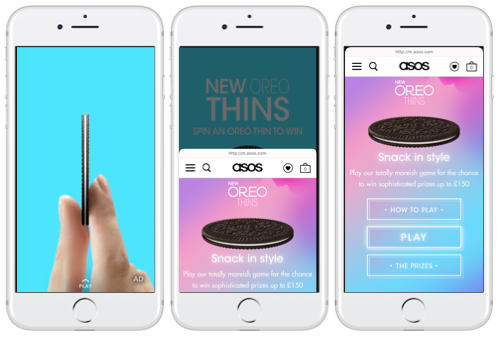
Website Traffic
This objective optimises for purchases or defined conversion events using Snap Pixel tracking.
“Visit our website!” “Download our eBook!” “Read our blog!”
If you want to attract Snapchat users to a website or landing page of some sort, select the “drives traffic to my website” option.
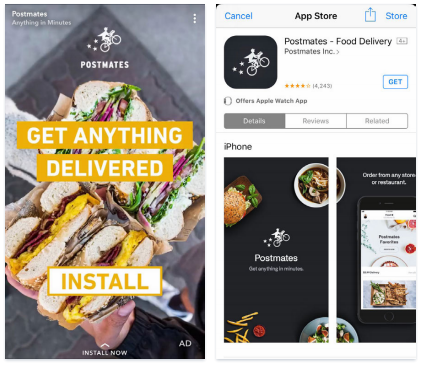
App Installs
Got the world’s newest, greatest, most exciting app you want to promote? Snapchat lets you promote the download of a mobile application through the “drive installs of my app” option.
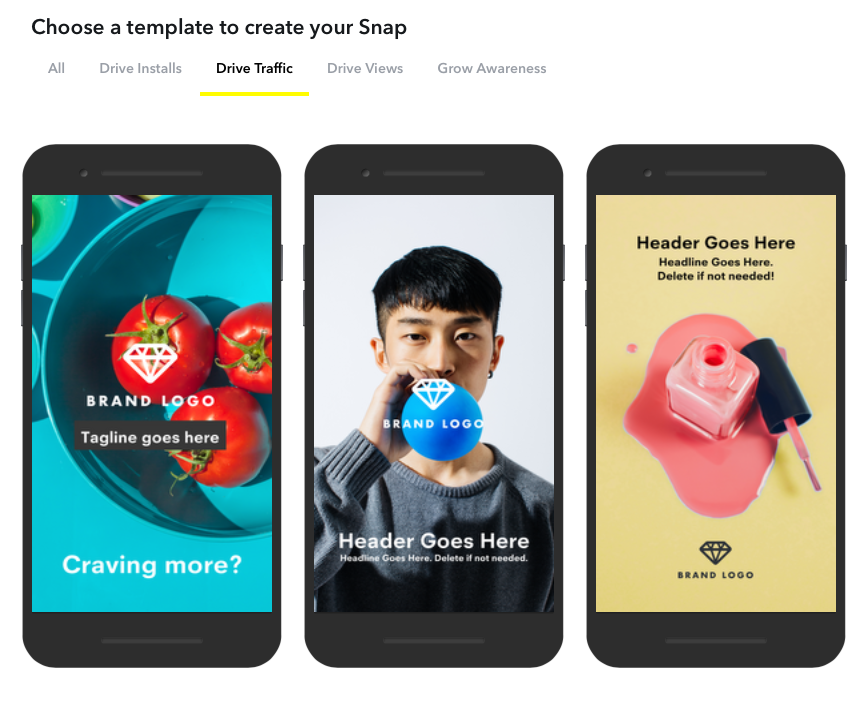
Awareness
These are designed to maximise reach and impressions. Best suited for brand launches and new product visibility. If you’ve just launched a start-up and your future customers spend time on Snapchat, an advertising campaign that simply introduces your brand, product, or services might be the key. Choose the “grow awareness” option.
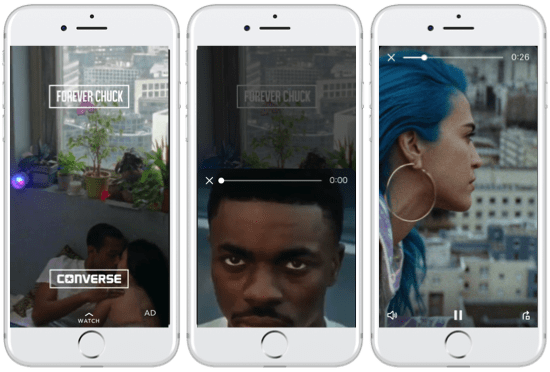
Video Views
If you’ve just launched a start-up and your future customers spend time on Snapchat, an advertising campaign that simply introduces your brand, product, or services might be the key. Choose the “grow awareness” option.
Lead Generation
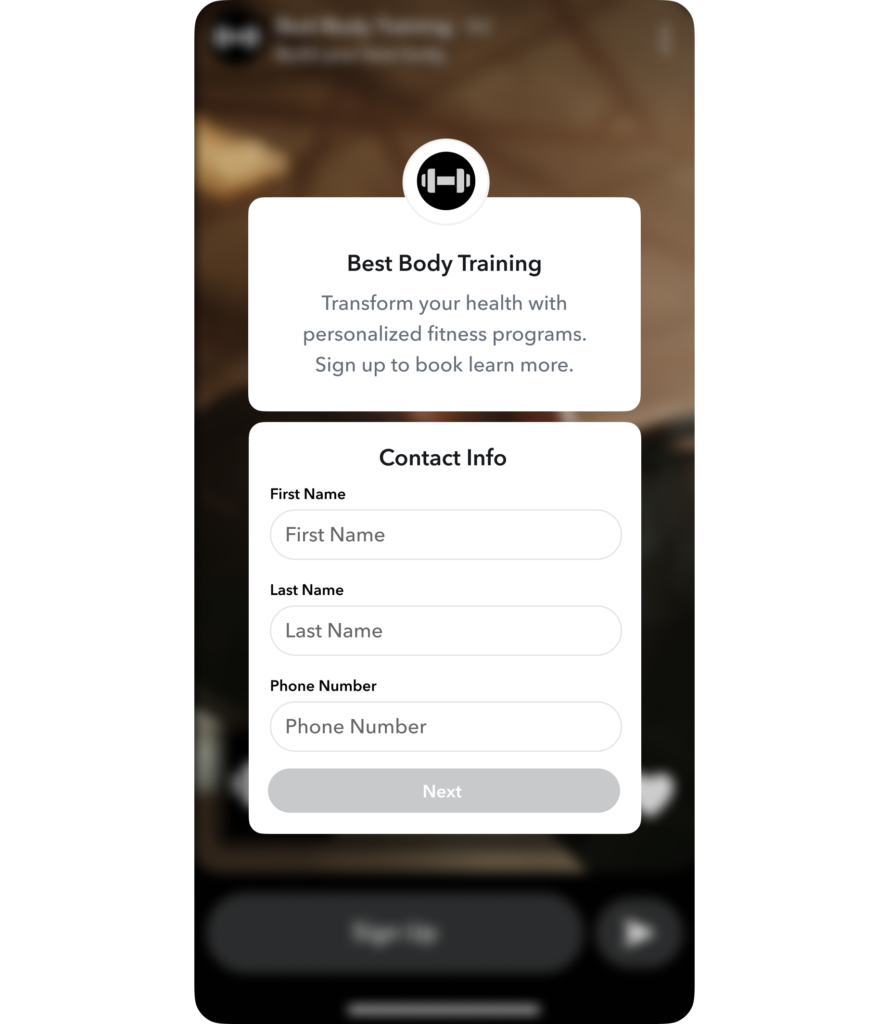
Captures user information directly within the Snapchat interface.
Augmented Reality (AR) Advertising on Snapchat
Snapchat pioneered branded AR lenses, allowing users to interact with products virtually. AR formats enable immersive engagement, from virtual try-ons to interactive product demos.
AR campaigns are particularly effective in retail, beauty and experiential marketing, where product interaction influences purchase behaviour.
7 in 10 consumers are interested in using AR to interact with a product before buying it.
Measuring Snapchat Advertising Performance
Snapchat campaigns should be evaluated beyond just impressions and swipe-ups.
Platform Metrics
- CPM
- Swipe-Up Rate
- Video Completion Rate
- Cost per Install


Business Metrics
- Cost per Acquisition
- Revenue per Campaign
- App Retention Rate
- Customer Lifetime Value
Snap Pixel and first-party data integration are essential for accurate optimisation.
Frequently Asked Questions
Is Snapchat advertising effective in 2026?
Yes, particularly for reaching Gen Z and mobile-first audiences.
Is Snapchat only suitable for younger brands?
While the platform skews younger, it can be effective for brands targeting emerging consumers or lifestyle-driven audiences.
What is Snap Pixel?
Snap Pixel tracks website activity and enables conversion optimisation.
Are AR ads expensive to produce?
AR campaigns require creative investment but can deliver strong engagement in the right sectors.
How much should I budget for Snapchat Ads?
Budget depends on audience size and objectives. Testing phases are recommended before scaling.